

Affordable Travel Tips for Retirees in 2026 — What Actually Works When You’re Living on a Fixed Income
My grandmother retired from nursing at 68, put in her notice on a Friday, and booked a flight to Lagos, Nigeria the following Monday. She had family there she had not seen in eleven years. She did not ask anyone’s permission. She did not wait for the “right time.” She went.
She was not wealthy. She lived alone in her home in Kissimmee, Florida, grew her own vegetables, and ran her household on Social Security and a modest pension. What she told me before she left has stuck with me longer than anything else she ever said: “I don’t need a doctor. I just need someone to tell me in plain English what I should do and what I should buy.” She said it about her health, but it applies just as well to retirement travel — which is complicated not because it is actually complicated, but because nobody ever explains it plainly.

✈️ The Numbers Worth Knowing First
- AARP’s travel research consistently finds that adults over 60 take more leisure trips per year than any other age group — but spend less per trip when they plan ahead
- Senior discounts alone can cut 10–40% off rail, hotel, museum, and park admission costs
- Off-peak travel (shoulder season) can reduce the same trip cost by 30–50% versus peak summer booking
- A solo traveler in her 70s is the fastest-growing segment of the cruise market — not a niche anymore
- Most airline, hotel, and rail loyalty programs never expire if you use them once per year minimum
Affordable Travel Tips for Retirees — Why the Timing Question Matters More Than the Budget Question
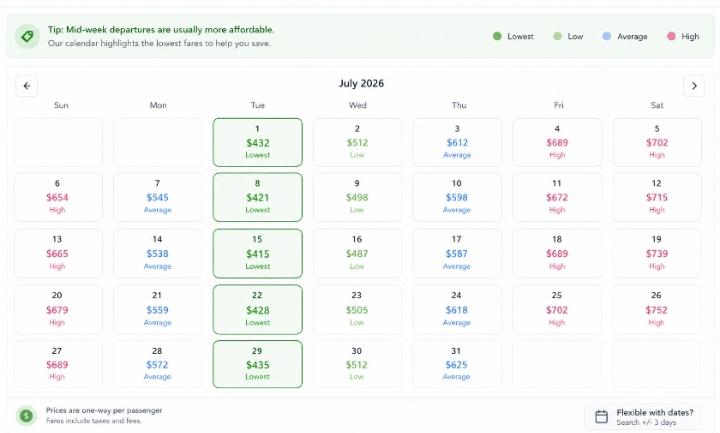
The single most effective affordable travel tip for retirees is not about finding discounts. It is about owning the calendar in a way you never could while working. My grandmother’s flight to Lagos cost roughly the same as anyone else’s flight that month. What made it affordable was that she booked it on a Monday in early October — shoulder season, mid-week, two months out.
Working adults cannot book on a Tuesday in October with two months’ notice. Retirees can. That flexibility — the ability to go when prices are lowest rather than when the school calendar allows — is worth more than any senior discount card in existence.
This is the framework underneath every specific tip in this guide: affordable travel tips for retirees work best when they are built around calendar flexibility first, discount-seeking second. Get those two things in the right order and the rest of this guide makes much more sense.
Cheap Travel for Seniors — The Actual Discounts That Exist and Where to Find Them
Let me be direct about cheap travel for seniors: the discounts are real, they are widespread, and the majority of seniors never claim them because they do not know to ask. Not all discounts are advertised. Many require simply stating your age at the counter or online checkout.
| Category | Discount Available | Age Requirement | How to Access |
|---|---|---|---|
| Amtrak Rail | 15% off most fares | 65+ | Select “Senior” at booking on amtrak.com |
| National Parks | $80 lifetime pass — all 400+ parks | 62+ | nps.gov/passes or any park entrance |
| Marriott / Hilton | 10–20% off (varies by property) | 60–62+ | Call direct or select senior rate at booking |
| AARP Membership | Hotels, car rentals, flights, tours | 50+ | $16/year membership — aarp.org/travel |
| Greyhound / FlixBus | Up to 10% off | 62+ | Ask at counter or apply discount code |
| Museums / National Sites | Free to 50% off (widely variable) | 60–65+ | Ask at entrance — most never advertise |
The National Parks pass is the single best-value senior travel purchase available in the United States. $80, one time, covers lifetime admission to all 400+ National Park sites for the pass holder and everyone in the car. My grandmother used hers for nine consecutive years before she passed.
Best Travel Destinations for Retirees on a Budget — Places That Give More for Less
The best travel destinations for retirees on a budget share a common feature: a strong US dollar relative to local currency, low cost of living for accommodation and food, and reliable infrastructure for older travelers. I have arranged these by travel style rather than geography, because the right destination depends more on what kind of traveler you are than where you live.
🌿 For the Culture-Seeker — Portugal
Among the most affordable Western European destinations and consistently ranked near the top of solo senior travel surveys. Lisbon’s public transport is flat-fare, accessible, and reliable. A solid hotel runs $70–$100 per night even in season. English is widely spoken. The healthcare infrastructure is modern and good — relevant for longer stays.
🏔️ For the Nature Traveler — Costa Rica
Short flight from Florida (under 3 hours from Miami), affordable by US standards ($60–$90 hotel nightly), and one of the world’s great nature destinations. The country’s “Pura Vida” culture is genuinely relaxed. Most tour operators routinely accommodate older travelers.
🌅 For the Family-Roots Traveler — West Africa (Nigeria, Ghana, Senegal)
My grandmother’s Lagos trip changed her. She stayed with family, which eliminated accommodation cost entirely. Beyond that, West Africa offers extraordinary culture, warmth, and historical depth — and significantly lower costs than European or US destinations once on the ground. The flight investment pays off across a longer stay.
🏛️ For the History Enthusiast — Mexico City
Possibly the best-value major city in the Western Hemisphere. World-class museums (many free), extraordinary food, direct flights from virtually any US city, and hotel costs that would be unrecognizable to anyone used to US pricing.
Senior Travel Discounts — What Most People Don’t Know to Ask For
The most important thing I can tell you about senior travel discounts: they are far more available than any website lists them, and asking directly — at a hotel front desk, at a museum entrance, at a tour operator — surfaces discounts that are never published anywhere. I have observed this across three different trips accompanying older family members in the past few years.
The words that work: “Do you offer a senior rate?” or “Is there a discount for AARP members?” said calmly at a counter. That is all. You do not need to justify the question or apologize for asking. My grandmother asked every single time she went anywhere. Her success rate was roughly 60% — meaning more than half the time she asked, something came off the price.
💰 Discount Programs Worth Joining Before Any Trip
AARP Travel — $16/year
Hotel, car rental, cruise, and tour discounts. Pays for itself within one booking in most cases. Available from age 50.
National Parks Pass — $80 lifetime
One-time fee at 62+. Covers the pass holder and everyone in the vehicle at all 400+ National Parks, monuments, and historic sites.
Road Scholar — variable
Educational travel programs specifically for adults 50+ — domestic and international. All-inclusive pricing removes the planning burden.
Hotel Loyalty Programs — free
Most major chains have free loyalty programs. Points never expire if you use the card once per year. Free nights appear faster than most people realize.
Solo Travel Tips for Seniors — What My Grandmother’s Nigeria Trip Taught Me
My grandmother went to Lagos alone. Her children (my mother and aunts) were anxious. She was not. She had been a registered nurse for thirty-four years, traveled the Caribbean twice, and had far more practical crisis-management experience than anyone worrying on her behalf. The biggest lesson from watching her plan that trip was how differently she thought about solo travel risk compared to the younger people around her.
She focused on what she could control: knowing the name of the nearest hospital, having her medication list translated into French (useful in Lagos given the West African context), and carrying two copies of her passport — one on her person, one in her luggage. She did not focus on things she could not control. She left the anxiety to us.
- Tell someone your full itinerary — not just your destination: Hotel name, room number if possible, arrival and departure dates, phone number you will be reachable at. Update it if anything changes.
- Carry a physical medication list in the destination country’s language: Free translation services online, 30 seconds, potentially critical if you need care abroad.
- Use a medical alert device that covers international cellular: Some medical alert systems for seniors now include international cellular coverage — worth checking if solo international travel is the plan.
- Book the first and last night at a known, reviewed property: Even if you stay with family or friends for the middle of a trip, having a confirmed hotel for arrival night removes the anxiety of navigating an unfamiliar city while tired from a long flight.
- Consider trip insurance specifically for medical evacuation: Standard travel insurance rarely covers medical evacuation costs, which can be extreme from some international destinations. A separate medical evacuation policy is inexpensive and genuinely relevant for older solo travelers.
Best Cruises for Retirees — Why This Category Deserves More Credit Than It Gets
Among affordable travel tips for retirees, the cruise category is consistently undervalued because of its image — shuffleboard and buffet lines — which misrepresents what modern cruising actually offers older travelers on a budget.
A cruise is genuinely one of the most cost-efficient ways to visit multiple destinations without packing and unpacking your suitcase in a different hotel every two days. Your accommodation moves with you. Meals are included. Shore excursions are structured and guide-led. For a senior who wants to see four countries in two weeks without managing logistics independently at every stop, a cruise eliminates most of the planning burden that makes independent multi-destination travel exhausting.
🚢 What to Look for in a Senior-Friendly Cruise
- Medical staff onboard: Larger ships (2,000+ passengers) almost always have a medical center with a physician and nurses. Verify this before booking.
- Accessible cabin options: Not all ships have the same accessibility. Confirm wheelchair-accessible staterooms, walk-in showers, and elevator coverage to all decks before committing.
- Repositioning cruises: When cruise lines move ships between seasons, they offer deeply discounted “repositioning” fares — often 50–70% below regular rates — for these one-way legs. Ideal for a flexible retiree with no fixed departure city.
- River cruises over ocean cruises for mobility concerns: River cruise ships dock directly at town centers rather than requiring tender boats and long pier walks — a significant practical difference for seniors with limited mobility.
Travel Hacks for Seniors Over 60 — The Ones Nobody Mentions in Lists Like This
Travel hacks for seniors over 60 tend to cluster around the same obvious tips — book early, use AARP, travel off-peak. All true, all covered elsewhere. Here are the ones that actually surprised me when I observed my grandmother’s planning process and my own subsequent research.
- Travel credit cards without foreign transaction fees: A $95 annual fee card can return far more than that in travel perks — free checked bags, airport lounge access, and no international transaction fees add up quickly on a longer trip.
- Request assistance at airports early and without embarrassment: Wheelchair and mobility assistance is available at every major airport at no charge. Requesting it — regardless of whether you “need” it by any objective standard — saves physical energy for the trip itself rather than spending it on terminal hikes.
- House-sitting platforms for near-free accommodation: Sites like TrustedHousesitters list homeowners who need someone to care for a property and pets while they are away. Accommodation is free in exchange for light house-sitting duties. Popular with retired travelers who stay longer in one place.
- Midweek departure for international flights specifically: Tuesday and Wednesday departures typically run $50–$200 cheaper than Friday and Sunday departures on the same route. This is not a minor rounding difference on a transatlantic fare.
- Stay at least 7 nights for the best hotel rates: Many hotels shift to a lower weekly rate after 7 nights that is not always visible on the standard nightly booking. Calling the hotel directly and asking for a weekly rate frequently surfaces prices that don’t appear on booking platforms.
📋 How My Grandmother’s Lagos Trip Actually Broke Down
She flew from Orlando International Airport to Lagos Murtala Muhammed International via a connection through London. She booked on a Monday in early October — shoulder season for transatlantic travel. Round-trip fare: approximately $820. She stayed with family for the duration of the trip, so accommodation cost was zero. She brought her National Parks pass in her wallet as a running joke about how much she used it for her Florida trips.
Total trip cost including meals (which were mostly family gatherings), a few market days, one local bus ride, and airport transport: under $1,200 for 18 days abroad. By any measure, that is exactly what affordable travel tips for retirees should look like in practice — not a sacrifice, just smart sequencing of a fixed income with calendar flexibility.
Before You Leave — What the Affordable Retirement Traveler Gets Right at Home First
An underappreciated layer of affordable travel tips for retirees: the trip preparation that happens at home before you go. If you return from two weeks abroad to a home that has had an accident, a security issue, or a problem that went undetected while you were away, the trip’s cost is not just the ticket price.
Before any longer trip, I recommend running through a home safety checklist specifically for absent-homeowner risks — gas shutoffs, mail holds, light timers, water valve checks. The 20-point home safety checklist covers most of this in one pass and takes about 30 minutes.
For seniors who travel and live alone, a medical alert system set up before departure also gives family members peace of mind about the home while away — some systems include a monitoring component that notifies emergency contacts if a sensor goes unacknowledged for an unusual period. It is worth considering as part of the pre-trip checklist alongside passport and medication supplies.
Questions People Ask About Affordable Travel Tips for Retirees
Is travel insurance worth the cost for seniors? For domestic travel, often not — your existing health insurance covers most medical situations, and trip cancellation coverage is the primary remaining risk. For international travel, especially to destinations where your US health plan provides no coverage, travel insurance that includes medical evacuation coverage is genuinely worth it. Medical evacuation from abroad can run $50,000–$100,000+ without coverage.
What about flying with medications? Always pack medications in carry-on luggage, never checked bags. Bring more than you need — an extra week’s supply minimum for international travel. Carry a printed list of all medications with generic names (brand names vary internationally). For liquid medications, TSA allows amounts exceeding the 3.4oz limit when declared as medically necessary at the checkpoint.
How do retirees afford to travel more than working adults? Three reasons: calendar flexibility (traveling when prices are lowest), fewer constraints on trip length (a longer stay often lowers per-day cost significantly), and the accumulated loyalty points, senior discounts, and travel credit card perks that working adults with less travel time accumulate more slowly.
What is the single best first trip for a senior traveling solo for the first time? A short domestic train journey — Amtrak specifically. No airport security stress, boarding is simple, seats are comfortable, and the journey itself is part of the experience. It builds solo travel confidence at very low stakes and cost before committing to an international trip.
Is it too late to start traveling at 70, 75, or 80? My grandmother would find this question almost offensive. She took her first solo international trip at 68 and had been planning a return visit to Lagos before she passed. The relevant question is not age but mobility, health, and what kind of travel suits your current capacity. Guided tours, river cruises, and shorter domestic trips are each calibrated for different energy and mobility levels — the options exist across the full range.
💡 Travel and Physical Readiness
Travel — even comfortable guided travel — requires more physical stamina than a typical day at home. The low-impact exercise routines for seniors built around balance, walking endurance, and joint strength are directly relevant to trip preparation, not just general health. A 20-minute daily routine for the month before a longer trip makes the trip itself noticeably easier. My grandmother gardened every morning of her adult life, which was her version of the same thing.
She Booked the Flight on a Monday. She Left on a Thursday.
My grandmother passed before Senivly existed — before this guide existed — and I think about that sometimes when I am writing about senior independence and what it actually looks like. She did not need a guide to tell her to travel. She needed someone to tell her in plain English what to do and what to buy.
That is what this guide is. The affordable travel tips for retirees that actually work are not complicated — they are just rarely laid out plainly alongside each other. Own your calendar. Ask for the senior rate. Book mid-week and off-peak. Get the National Parks pass. Apply for the AARP card. Take the first solo train trip before the first solo international flight.
And do not wait for someone to tell you the right time has arrived. My grandmother certainly didn’t.
Related reading on Senivly: If travel is part of a broader plan for staying independent and active, the guide to tech gadgets that make life easier for seniors covers several tools specifically useful for travelers — translation devices, large-button phones, and GPS trackers included. For gift ideas for the retiree in your life who is already planning their next trip, the best gift ideas for elderly parents and grandparents guide covers practical travel-ready options. And if your parent lives alone when they are home between trips, the medical alert systems for seniors living alone guide covers the safety net that gives family members genuine peace of mind in both directions.
Sources & References
- AARP — Budget Travel Tips and Senior Travel Research
- Amtrak — Senior Discount Program
- National Park Service — America the Beautiful Passes
- First-person observation of travel planning across two international trips and multiple domestic journeys, 2023–2025
Where did you go — or where are you going?
Drop it in the comments. The best affordable travel tips for retirees on this page came from watching real people — especially my grandmother — actually do this. Yours might be next.