

Does Medicare or Medicaid Cover Walk-In Tubs? What Seniors Need to Know in 2026
If you’re hoping Medicare will pay for a walk-in tub, the short answer is usually no. Original Medicare (Parts A and B) generally doesn’t cover the cost of purchasing or installing a walk-in tub because it isn’t considered durable medical equipment (DME). That’s true even if your doctor believes a walk-in tub would make bathing safer or easier.
That doesn’t mean you’re out of options, though. Many families stop their research after hearing “Medicare doesn’t cover it,” when in reality there are several other programs that may help with the cost. Depending on your health coverage, income, where you live, and whether you’re eligible for Medicaid or veteran benefits, financial assistance may still be available.
In this guide, we’ll explain what Medicare does and doesn’t cover, where Medicaid may help, and the other funding programs that many homeowners don’t discover until they specifically ask about them.
This article is intended for general informational purposes only and shouldn’t be considered legal, medical, financial, or tax advice. Medicare, Medicaid, and state assistance programs can change over time, and eligibility rules vary by location and individual circumstances. Always verify current benefits with your Medicare Advantage plan, your state Medicaid office, or a SHIP (State Health Insurance Assistance Program) counselor before making any financial decisions.
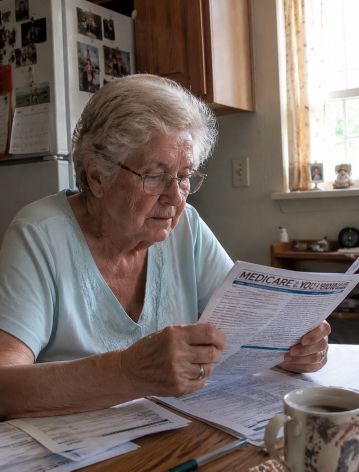
Why Medicare Doesn’t Cover Walk-In Tubs
To understand why Medicare usually won’t pay for a walk-in tub, it helps to know how Medicare decides what it covers.
Medicare Part B helps pay for certain types of durable medical equipment, commonly called DME. These are medical items that are primarily used to treat or manage a medical condition and can generally withstand repeated use. Common examples include wheelchairs, walkers, hospital beds, oxygen equipment, and CPAP machines.
A walk-in tub doesn’t fall into that category. Medicare generally considers it a permanent home improvement rather than durable medical equipment. Even if your physician recommends one because you’re at risk of falling or have limited mobility, that recommendation alone doesn’t change how Medicare classifies the product.
The same principle applies to many other permanent bathroom modifications. Original Medicare typically doesn’t pay for installing walk-in tubs, grab bars, widened doorways, or similar structural changes to a home. Some Medicare Advantage plans or Medicaid programs may offer assistance for these improvements, but Original Medicare generally does not.
For comparison, these are examples of items that Medicare Part B may cover when all eligibility requirements are met:
- Manual and power wheelchairs
- Walkers and rollators
- Hospital beds for home use
- Oxygen equipment and supplies
- CPAP machines for sleep apnea
- Certain diabetic testing equipment and supplies
- Prosthetic devices and some orthopedic braces
The key difference is that Medicare generally separates medical equipment from permanent home improvements. While a walk-in tub can certainly improve safety and independence, Original Medicare doesn’t usually classify it as covered durable medical equipment. That’s why looking beyond Medicare is often the best next step—and that’s exactly where we’ll go next.
Learn how Medicare defines durable medical equipment (DME) and what Part B covers.
Three Places to Look for Financial Help
Hearing that Medicare won’t cover a walk-in tub can feel discouraging, but that’s rarely the end of the story. Many people eventually receive financial assistance from other programs—they just aren’t looking in the right place at first.
If you’re trying to reduce the cost of a walk-in tub, these are the three places worth checking before paying entirely out of pocket.
1. Medicare Advantage (Part C)
While Original Medicare generally doesn’t cover walk-in tubs, some Medicare Advantage plans offer supplemental benefits that go beyond what Parts A and B provide. Since 2019, these plans have had greater flexibility to include benefits that support members with chronic illnesses or help them remain safely at home.
That doesn’t automatically mean your plan will pay for a walk-in tub. Many plans don’t. However, some plans may contribute toward certain bathroom safety improvements or home modifications when they meet the plan’s requirements.
The only way to know is to contact your specific Medicare Advantage plan directly. Don’t rely on a television advertisement or assume another person’s experience applies to your policy.
Ask questions like:
- Do you offer home modification or home safety benefits?
- Would a walk-in tub ever qualify under those benefits?
- Is prior authorization required?
- What documents will I need before work begins?
- Is there a maximum dollar amount available each year?
It’s also worth downloading your plan’s current Evidence of Coverage (EOC). Searching for phrases like “home modification,” “home safety,” “environmental modifications,” or “supplemental benefits” can quickly tell you whether it’s worth pursuing further.
Example scenario: Imagine someone with a Medicare Advantage plan who needs safer bathing because of limited mobility after a stroke. Their plan doesn’t pay for the entire walk-in tub, but it offers a home safety benefit that helps cover part of the project after prior approval. The amount varies by plan, but it’s an example of why checking your individual benefits is worthwhile instead of assuming the answer is automatically “no.”
2. Medicaid Home and Community-Based Services (HCBS)
If you qualify for Medicaid, this may be one of the most valuable places to look for assistance.
Every state provides Home and Community-Based Services (HCBS) through waiver programs or other Medicaid authorities. These programs are designed to help eligible older adults and people with disabilities remain safely in their homes instead of moving into nursing facilities.
Depending on your state and the specific HCBS program, medically necessary home modifications—including bathroom accessibility improvements—may qualify for funding. Some programs may approve a walk-in tub if it’s considered appropriate, while others may recommend a roll-in shower or another accessibility solution instead.
Eligibility usually depends on factors such as income, assets, medical needs, and whether you meet your state’s functional eligibility requirements. Because every state administers these programs differently, the rules and available funding can vary considerably.
The best starting point is your state Medicaid office or the local agency that manages long-term services and supports. If you already have a Medicaid caseworker, ask specifically whether your program offers home modification benefits.
Learn more about Medicaid Home and Community-Based Services (HCBS) and how states administer these programs.

3. State and Local Home Modification Programs
Many homeowners are surprised to learn that some of the best financial assistance doesn’t come from Medicare at all.
Across the country, state housing agencies, Area Agencies on Aging, nonprofit organizations, and Community Development Block Grant (CDBG) programs may provide financial assistance for accessibility improvements. Depending on where you live, help may come as a grant, a forgivable loan, or a low-interest loan.
Not every program pays specifically for walk-in tubs, and eligibility rules vary widely. Some programs may instead recommend another bathroom modification if it’s considered more practical or cost-effective. Even so, these programs are often overlooked and are well worth exploring.
If you’re not sure where to begin, contact your local Area Agency on Aging, your state’s housing finance agency, or call 211 to ask about home accessibility or home modification assistance available in your area.
If you’d like an estimate before applying for assistance, our Walk-In Tub Cost Calculator can help you estimate installation costs based on your location, while our state grant guides explain what funding programs may be available where you live.
Coverage Comparison at a Glance
Here’s a quick summary of how the most common coverage options compare. Keep in mind that Medicare Advantage plans and Medicaid programs can differ significantly depending on where you live and the specific plan or program you’re enrolled in.
| Coverage Source | Walk-In Tub Coverage | What You Should Know |
|---|---|---|
| Medicare Part A | No | Part A primarily covers inpatient hospital and skilled nursing facility care. |
| Medicare Part B | Generally No | Walk-in tubs are generally considered permanent home improvements rather than durable medical equipment. |
| Medigap | No | Medigap helps pay Medicare cost-sharing but doesn’t add new covered services. |
| Medicare Advantage (Part C) | Sometimes | Some plans may offer home safety or supplemental benefits. Coverage varies by plan. |
| Standard Medicaid | Usually No | Coverage generally comes through HCBS programs rather than standard Medicaid benefits. |
| Medicaid HCBS Programs | Possible | May help pay for medically necessary home modifications depending on state rules and eligibility. |
| State & Local Assistance Programs | Possible | Availability depends on your state, local funding, income, age, disability status, and program requirements. |
What If My Doctor Writes a Prescription?
This is one of the biggest misconceptions you’ll find online.
A physician can absolutely write a prescription or a letter explaining why a walk-in tub would improve your safety or reduce your risk of falling. That documentation can be valuable—but it doesn’t automatically mean Medicare will approve payment.
Original Medicare bases its decision on whether the product falls within its coverage rules. Because walk-in tubs are generally treated as permanent home improvements rather than durable medical equipment, a doctor’s recommendation usually doesn’t change the outcome.
That doesn’t make the letter useless. Medical documentation may strengthen applications for Medicaid HCBS programs, state accessibility grants, nonprofit assistance programs, or even certain Medicare Advantage benefits that require proof of medical need.
If your physician is willing to document why a safer bathing solution is medically appropriate, it’s still worth requesting the letter—you just shouldn’t expect it to override Original Medicare’s coverage rules.
A Situation We See Quite Often
A common mistake is calling Medicare’s general customer service line, hearing that walk-in tubs aren’t covered, and assuming the search is over.
For people enrolled in Medicare Advantage, that’s often only the first step. The better approach is to call your plan’s member services department directly and ask about supplemental home safety benefits or home modification assistance.
Even when a plan doesn’t pay for the entire installation, some members discover benefits that help offset part of the project. Others learn that they may qualify for state or local assistance after speaking with a SHIP counselor or Area Agency on Aging.
The lesson is simple: don’t stop after the first phone call. Coverage decisions often depend on the specific program you’re enrolled in, and asking the right organization can make a significant difference.
How to Check Your Medicare Advantage Benefits
- Locate your current Evidence of Coverage (EOC). Most plans mail it each year, and you can usually download it from your member portal.
- Search for terms such as “home modification,” “home safety,” “supplemental benefits,” or “environmental modifications.”
- Call the member services number on your insurance card—not Medicare’s general information line—and ask whether your plan offers any assistance for bathroom accessibility improvements.
- Ask whether prior authorization is required. Starting a project before approval could affect whether benefits are available.
- Find out whether your doctor needs to provide medical documentation or complete additional paperwork.
- Request the answer in writing whenever possible so you’ll have documentation if questions arise later.
Don’t Forget About SHIP Counselors
Every state has a State Health Insurance Assistance Program (SHIP). These counselors provide free, unbiased Medicare guidance and aren’t trying to sell insurance or home improvement products.
If you’re confused about your Medicare Advantage benefits or aren’t sure where to start, a SHIP counselor can explain your options and point you toward programs that may be available in your area.
SHIP counselors provide free, unbiased guidance about Medicare and Medicare Advantage coverage in every state.

Frequently Asked Questions
Can a doctor’s prescription make Medicare pay for a walk-in tub?
No. A prescription doesn’t change Medicare’s coverage rules. However, it can help support applications for grants, Medicaid waiver programs, or certain Medicare Advantage benefits.
What if I have both Medicare and Medicaid?
If you’re eligible for both programs, ask your state’s Medicaid office whether you qualify for an HCBS waiver or another home modification program. Depending on your circumstances, these programs may offer assistance that traditional Medicare does not.
Can a walk-in tub qualify as a tax deduction?
Possibly. If the installation is medically necessary and you meet IRS requirements for medical expense deductions, some or all of the cost may qualify. Speak with a qualified tax professional for advice based on your individual situation.
Are there separate programs for veterans?
Yes. Eligible veterans may qualify for VA housing adaptation grants or other accessibility benefits. These programs are separate from Medicare and Medicaid and may provide significant financial assistance for bathroom modifications.
The Bottom Line
Traditional Medicare doesn’t cover walk-in tubs because they’re considered home improvements rather than durable medical equipment. While that answer can be disappointing, it isn’t the end of the road.
Depending on where you live and the type of coverage you have, you may find financial help through a Medicare Advantage plan, a Medicaid HCBS waiver, a state accessibility grant, or a local aging assistance program. Spending a little time exploring these options could save you thousands of dollars.
Before requesting quotes from installers, it’s also helpful to understand the likely cost in your area. Our Walk-In Tub Cost Calculator and Bathroom Modification Cost Calculator can help you estimate your budget and prepare for funding applications.
Still comparing your options? Use our free Walk-In Tub Cost Calculator to estimate installation costs, then explore our state-by-state funding guides to see what financial assistance may be available where you live.