
Texas Home Modification Grants for Seniors in 2026 — A Plain-English Guide to Free Help
Over 3.8 million Texans are aged 65 or older. A significant number of them own homes that were not built with aging in mind — no grab bars, narrow doorways, standard tubs that become obstacles with time. Most of them have no idea that programs exist to help fix this, often at little or no cost to the homeowner.
I spent several weeks researching every Texas home modification grant for seniors I could find — calling program offices, reading eligibility fine print, cross-referencing what was actually funded versus what was just listed on a state webpage. This guide is what I wish had existed when I started. No jargon. No buried eligibility tables. Just the programs, what they cover, and how to apply.
⚠️ Important Disclaimer
This page lists publicly available assistance programs for informational purposes only. Program availability, funding levels, eligibility requirements, and income limits change frequently. Always contact each program directly to confirm current availability, application deadlines, and eligibility in your specific county before making any plans or purchases. Senivly is an independent resource and is not affiliated with any government agency or grant program.
🏠 Be Informed
Yes — Texas home modification grants for seniors exist and are actively funded in 2026. The main programs are:
- TDHCA Texas HOME Program — federally funded home repair and modification grants
- USDA Section 504 Home Repair Program — free repairs and grants for rural Texas seniors
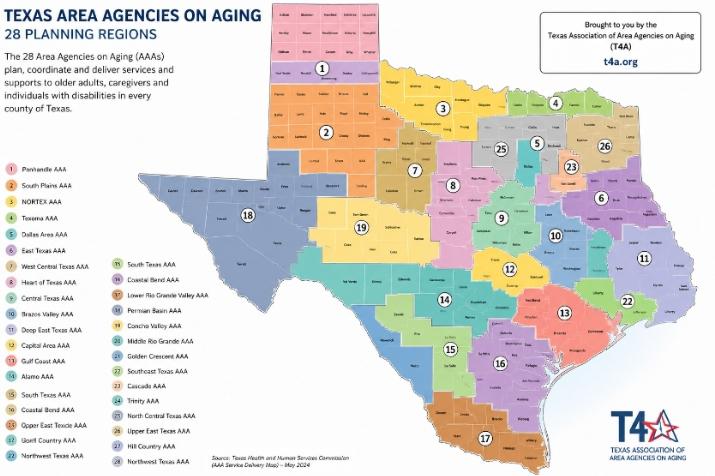
- Texas Area Agencies on Aging (AAA) — local programs covering grab bars, ramps, safety modifications
- Habitat for Humanity Home Repair — available in many Texas counties, income-based
- Community Development Block Grants (CDBG) — city and county-level modification funding
- Texas Veterans Commission Home Improvement Grant — for qualifying Texas veterans only
Texas Aging in Place Assistance — Why So Many Seniors Don’t Know It Exists
Here is something that surprised me when I started researching this: the programs that fund free home repairs for Texas elderly homeowners are not hard to find. They are well-funded, actively operating, and serving Texans right now. What is hard is cutting through the government language to understand whether you qualify and what the actual process looks like.
The Texas Department of Housing and Community Affairs (TDHCA) administers the largest state-level housing assistance programs in Texas — including the HOME Investment Partnerships Program, which funds home modifications and repairs for low-to-moderate income households including elderly homeowners.
Most families I spoke with while researching this had never heard of any of these programs. One woman in San Antonio had been trying to afford a wheelchair ramp for her 82-year-old father for eight months — paying $40 per month to a contractor for a layaway plan — while a county-level CDBG program two miles from her home had funded over 60 ramps that year alone.
The root of the problem is how these programs are described. “HOME Investment Partnerships Program” tells a senior homeowner nothing about grab bars or ramps. “Section 504 Rural Repair” sounds like a building code document. The names are designed for bureaucratic categorization — not for the people who actually need them.
That is what this guide solves. Below I have translated every major Texas aging in place assistance program into plain language — who it is for, what it covers, what it does not cover, and how to apply.
Texas Home Modification Grants for Seniors — Every Major Program Explained
Texas Home Modification Programs — Side-by-Side Comparison
| Program | Who Funds It | Max Grant | Age Req. | Income Limit | Rural Only? | Modifications Covered | Where to Apply |
|---|---|---|---|---|---|---|---|
| TDHCA HOME Program | HUD / State | Varies by county | None (seniors prioritized) | ≤80% AMI | No — statewide | Ramps, grab bars, accessibility, roof, plumbing | Local CHDO / county housing dept |
| USDA Section 504 | Federal | $10,000 grant | 62+ for grant | ≤50% AMI | Yes — rural only | Ramps, grab bars, bathroom, roof, heating | USDA Rural Development office |
| Texas AAA Programs | Federal / State | Varies by region | 60+ | Varies by region | No — all Texas | Grab bars, ramps, minor repairs, safety | Call 2-1-1 or find AAA online |
| Habitat for Humanity TX | Nonprofit | Varies by chapter | None specified | 30–60% AMI | No — where chapters exist | Ramps, accessibility, roof, weatherization | Local Habitat chapter |
| CDBG — City / County | HUD / Local | Up to $30,000 | Varies | ≤80% AMI typical | No — city/county specific | Ramps, grab bars, accessibility, repairs | City housing / community development dept |
| Texas Veterans / VA Grants | State + Federal | Up to $109,986 | None (veterans) | None for VA grants | No — statewide | Full accessibility modifications | TVC + VA.gov |
Free Home Repairs for Texas Elderly — What Modifications These Programs Actually Fund
Before assuming a program covers what you need, it helps to know what modifications these programs most consistently fund across Texas. I have organized these by how commonly they appear across the programs listed above.
🔧 Modifications Most Commonly Funded Across Texas Programs
✅ Almost Always Funded
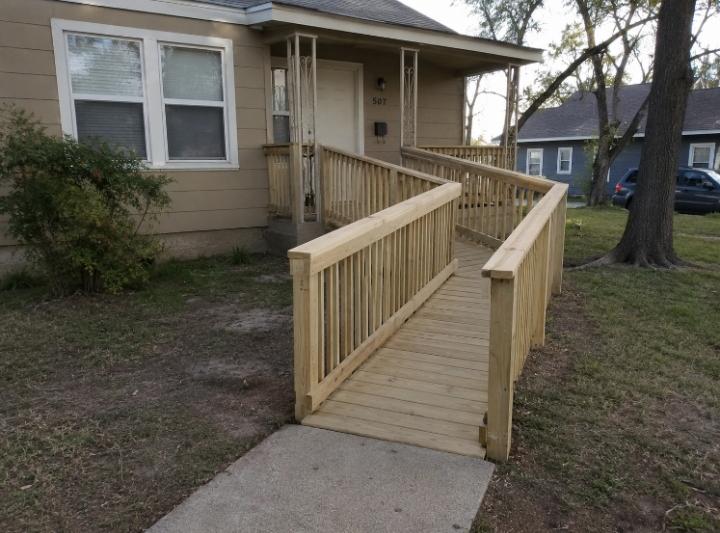
- Wheelchair ramps (exterior and interior)
- Grab bars — bathroom and hallway
- Handrails on stairs
- Non-slip flooring treatments
- Doorway widening for wheelchair access
⚠️ Sometimes Funded (Program Dependent)
- Walk-in shower conversion
- Lowered countertops / accessible kitchen
- Stair lift installation
- Bathroom remodel (full accessibility)
- Walk-in tub installation
🏠 Also Commonly Covered (Non-Modification)
- Roof repair or replacement
- HVAC system repair or replacement
- Plumbing repairs
- Electrical system hazard repairs
- Weatherization / insulation
❌ Rarely or Never Funded
- Cosmetic renovations or upgrades
- Swimming pools or landscaping
- Additions or room expansions
- Appliance replacement (non-safety)
- Smart home technology
Before applying, it is worth knowing the estimated cost of whatever modification you need. The free Home Modification Cost Calculator on Senivly gives you realistic cost estimates by modification type and region — useful both for understanding what programs need to cover and for comparing those figures against what contractors quote you.
Texas Aging in Place Assistance — How to Actually Apply (Step by Step)
The application process for these programs shares common steps regardless of which specific program you are applying to. Here is the process I recommend based on what I learned researching this:
-
1
Call 2-1-1 first
Texas’s 211 social services line is staffed by people whose job is to connect you with programs in your specific area. Tell them you are looking for home modification assistance or home repair grants for a senior homeowner. They will identify which programs are currently accepting applications in your county — saving you hours of research.
-
2
Gather your documents before calling any program
Almost every program will ask for: proof of home ownership (deed or property tax statement), proof of income (last year’s tax return or Social Security award letter), photo ID, and proof of residency at the property. Having these ready before your first call speeds the process significantly and reduces the risk of losing your place in a waitlist due to missing documents.
-
3
Apply to multiple programs simultaneously
There is no rule preventing you from applying to more than one program at once. In fact, I recommend applying to your AAA program, your city’s CDBG program, and the USDA Section 504 program (if rural) at the same time. Waitlists vary — whoever processes your application first wins. Just notify the others if you receive funding and withdraw remaining applications.
-
4
Be specific about what you need — not just “home repairs”
When describing what you need, be as specific as possible: “grab bars in the bathroom and a wheelchair ramp at the front entrance” is far more useful than “home modifications.” Specific requests match more precisely with what programs fund and make it easier for intake workers to confirm your application qualifies.
-
5
Follow up every 4–6 weeks
Waitlists are real and common. The difference between being served quickly and waiting many months is often as simple as following up regularly. Call every 4–6 weeks to confirm your application is still active, ask where you are on the waitlist, and notify them of any changes to your situation that might affect priority.
While You Wait for Assistance — Low-Cost Safety Improvements to Do Right Now
Grant programs have waitlists. Some run 3–12 months. While waiting is frustrating, there are meaningful home safety improvements that cost very little and can be done immediately — without professional help and without grant approval.
The 20-item home safety checklist on Senivly covers exactly this — room-by-room changes that cost between $0 and $50 and address the most common home hazards for seniors. Many of them take under an hour to implement. Use the free interactive Home Safety Checklist tool to build a personalized action list for your specific home while the grant application processes.
💡 Three Things to Do This Week While You Wait
- Replace bath mats with heavy non-slip rubber-backed mats — $20–$40, immediate, high impact
- Install motion-sensor night lights along the bedroom-to-bathroom path — $12–$25, plug-in only
- Remove all loose rugs from bedrooms and hallways — $0, immediate
One more thing worth considering during the wait: if your parent lives alone or spends significant time alone at home, a medical alert system provides a layer of protection that no physical modification can replicate. If something goes wrong before the ramp is installed or the grab bars are in place, the ability to call for help automatically matters enormously. I have a full comparison of the best medical alert systems for seniors in 2026 — including options under $25/month — if that is useful context.
A Real Example — How One Texas Senior Accessed Grant Funding
To make this concrete: here is how the process actually played out for one senior I spoke with while researching this guide. I am not using her name, but the details are real.
📋 Case Study — Senior Homeowner, East Texas, Age 79
Situation
79-year-old widow, owned her home for 43 years, rural East Texas county. Needed a wheelchair ramp at the front entry and grab bars in the bathroom. Fixed income — Social Security only. Could not afford contractor quotes of $3,200–$4,500.
What She Did
Called 2-1-1. Was connected to her regional Area Agency on Aging and simultaneously told about the USDA Section 504 program. Applied to both within the same week.
What Happened
Her AAA approved grab bar installation within six weeks — completed by a local contractor at no cost to her. The USDA Section 504 application took four months but funded the full ramp construction. Total she paid: $0. Total value of modifications received: approximately $4,100.
Key Takeaway
She almost did not apply because she assumed the income limits would exclude her. They did not. Calling 2-1-1 took six minutes. The entire process changed her daily ability to enter and move through her own home safely.
Questions I Get Asked Most About Texas Home Modification Grants
The One Step to Take Today
My grandmother used to say that the hardest part of asking for help is believing you deserve it. A lot of the Texas seniors I spoke with while researching this guide felt the same way — they assumed they would not qualify, or that the process would be too complicated, or that the programs were meant for someone in a worse situation than theirs.
Most of them were wrong. The programs listed in this guide exist specifically to help people in situations like theirs. The woman in San Antonio who spent eight months on a layaway plan for a wheelchair ramp? She qualified for a CDBG program that would have covered the full cost in about five months. Nobody told her. She just didn’t know to ask.
So here is the one step: call 2-1-1 today. Tell them you are looking for home modification assistance for a senior homeowner in Texas. It takes six minutes. Everything else in this guide flows from that first call.
And while you are working through that process — use the free Home Safety Checklist tool to identify what changes you can make right now, without waiting for anyone’s approval. Some of the most important ones cost nothing at all.
📖 Recommended Reading
💬
Have You Applied for a Texas Home Modification Program?
I want to hear from Texas seniors and their families. Which program did you apply to? How long was the waitlist? Was there a program in your county that isn’t listed here? Drop it in the comments — real experiences from real Texans help everyone else who lands on this page trying to figure out the same thing.
Not sure which program to start with for your county? Ask below and I’ll point you in the right direction.